
Key Considerations When Planning and Building a Custom Home

Building a custom home is one of the most personal investments a family can make. Unlike purchasing an existing house, a custom home gives you the opportunity to shape every detail around the way you live, work, gather, and relax. From the first sketches to the final walkthrough, the process is about more than square footage or finishes. It is about creating a home that fits your lifestyle today while also supporting your future needs for years to come. Taking the time to carefully plan the project before construction begins can help avoid costly changes, delays, and frustrations later in the process.
One of the most important considerations when building a custom home is choosing the right floor plan and layout for your daily life. Open living spaces, dedicated home offices, outdoor entertaining areas, and flexible guest accommodations are all features many homeowners now prioritize. It is also important to think beyond current trends and focus on long term functionality. A thoughtfully designed home should feel comfortable and practical whether you are raising a family, hosting guests, or planning to age in place. The right builder and design team can help guide these decisions while balancing style, budget, and efficiency.
Location and lot selection also play a major role in the success of a custom home project. The shape of the property, surrounding views, sun exposure, terrain, utilities, and neighborhood requirements can all influence the design and cost of the build. In some areas, grading, drainage, or soil conditions may require additional planning before construction even begins. Working with an experienced custom home builder helps ensure these factors are identified early so the home can be designed to complement both the land and the homeowner’s vision.
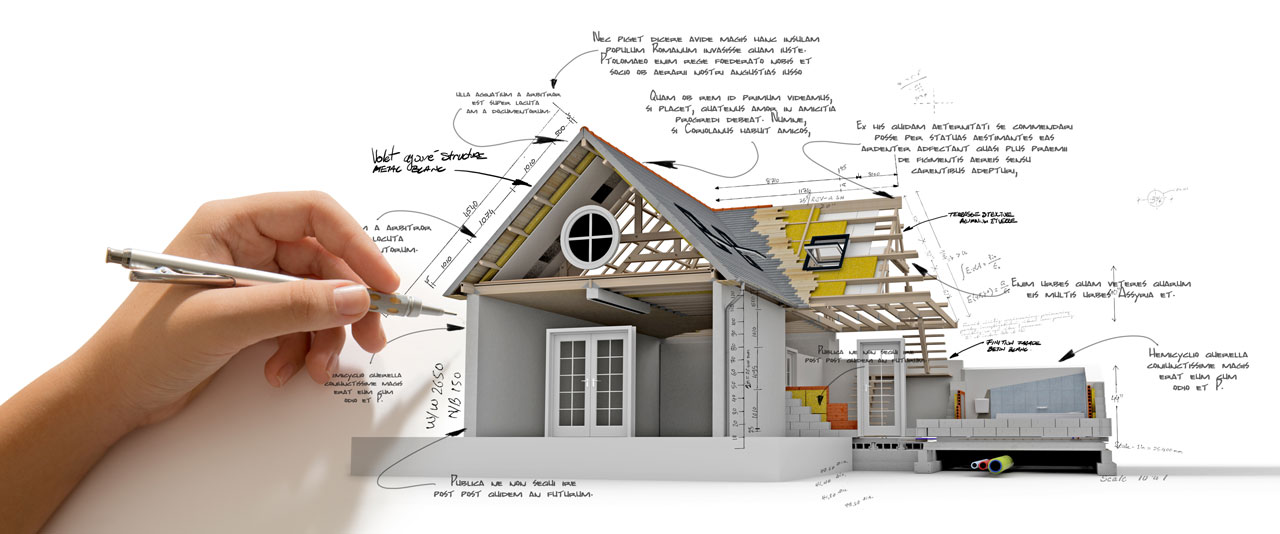
Budget planning is another key part of the custom home process. Many homeowners focus primarily on construction costs, but it is equally important to account for site work, permits, utility connections, landscaping, appliances, and finish selections. Establishing realistic priorities early in the process helps prevent difficult compromises later. Clear communication with your builder throughout the project also helps maintain transparency and keeps expectations aligned as decisions are made along the way.
At the end of the day, building a custom home should be an exciting and rewarding experience. The best projects are built on careful planning, strong communication, and a shared commitment to quality craftsmanship. When homeowners partner with an experienced builder who understands both the technical side of construction and the personal side of creating a home, the result is a space designed specifically around the people who will live there every day.